Finding the Best Scope For Field Shooting doesn’t have to mean spending a fortune. As someone who spends a lot of time on the range practicing target shooting from 50 to 300 meters, I’ve learned that a well-chosen budget scope can deliver excellent clarity, reliable tracking, and consistent performance without breaking the bank.
In this guide, I’ll walk you through six affordable scopes that I’ve personally tested or evaluated under real shooting conditions. Whether you’re shooting .22LR, .223, or even .308, these optics offer solid performance for field shooting and target practice.
Top Product List: Best Scope For Field Shooting
- Bushnell Banner 3-9x40 Dusk & Dawn – Best for low-light target shooting
- CVLIFE 3-9x40 (Red/Green Illuminated) R4 – Best ultra-budget option
- Vortex Crossfire II 3-9x40 (Dead-Hold BDC) – Best overall value
- Athlon Optics Talos 4-16x40 – Best for mid-range precision
- UTG 3-9x32 BugBuster AO – Best compact scope
- Simmons .22 Mag 3-9x32 Rimfire – Best for rimfire shooters
Bushnell Banner 3-9x40 Dusk & Dawn
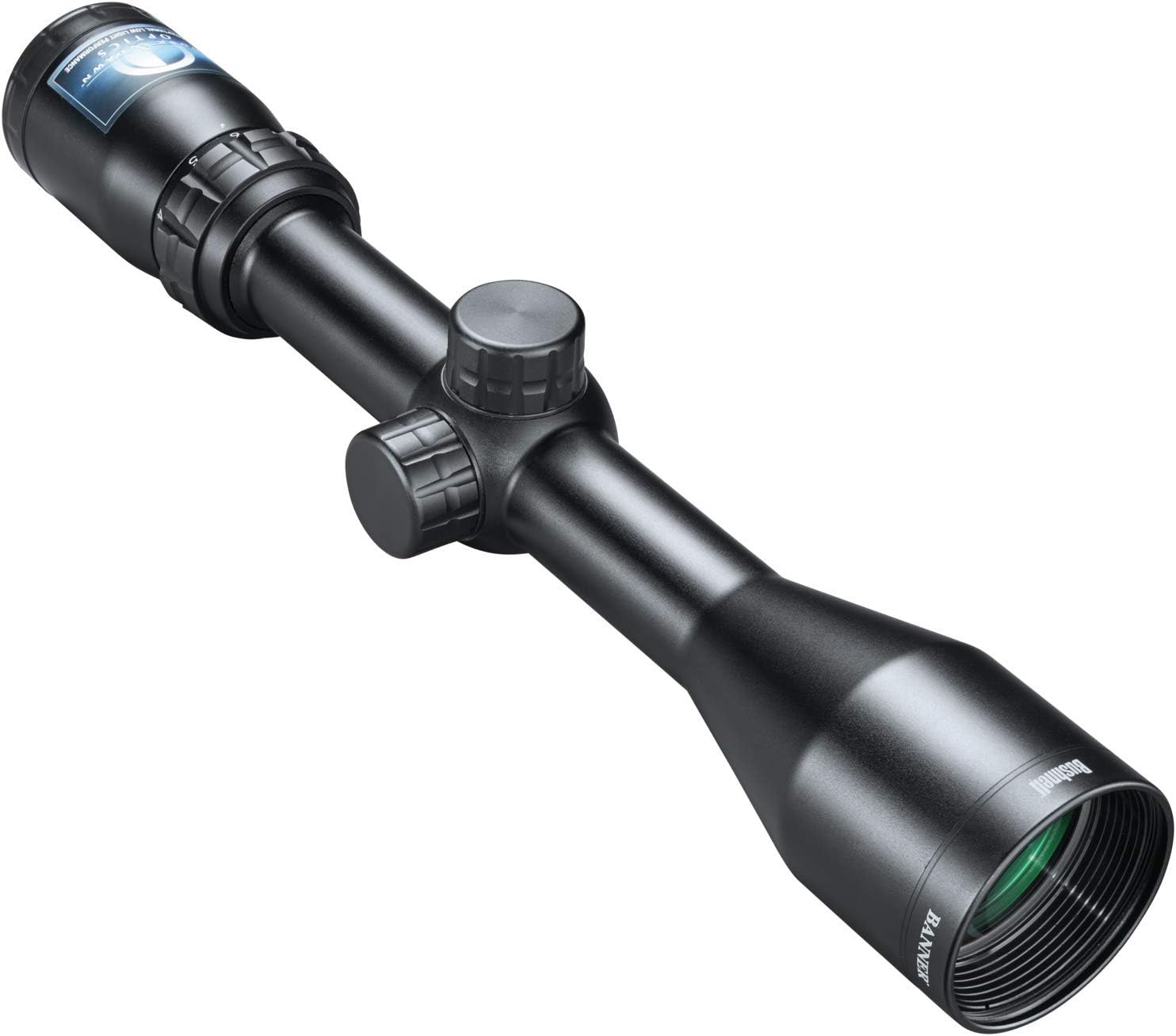
This is one of the most recognizable budget scopes, and I’ve used it extensively on a .223 bolt-action rifle for field shooting sessions.
Product Specs:
- Magnification: 3-9x
- Objective Lens: 40mm
- Tube: 1-inch
- Reticle: Multi-X
- Weight: ~13 oz
Pros:
- Excellent low-light performance
- Lightweight and simple
- Affordable
Cons:
- Basic turrets
- Limited advanced features
Glass clarity is surprisingly good for the price. I noticed decent edge-to-edge sharpness with minimal chromatic aberration during midday shooting. The Multi-X reticle is simple but effective for quick target acquisition.
Eye relief is forgiving at around 3.3 inches, and the eye box remains usable even at 9x. This makes it beginner-friendly during fast shooting transitions.
Durability is solid. I ran about 300 rounds through my rifle, and the scope held zero without issues. The waterproof and fog-proof construction held up in humid conditions.
The turrets are capped and not meant for constant dialing. Clicks are soft but consistent enough for occasional adjustments.
Magnification is ideal for 50–200m shooting. No parallax adjustment, but at this range, it’s acceptable.
Mounting was straightforward with standard 1-inch rings. Clearance was perfect on my bolt-action setup.
From my experience, this scope excels in early morning or late afternoon shooting. Online discussions often highlight its reliability for hunting and casual target shooting.
Verdict: A dependable entry-level scope for shooters who want simplicity and reliability.
👉 ➡️➡️➡️ Explore User Feedback and Current Pricing on Amazon
CVLIFE 3-9x40 (Red/Green Illuminated) R4
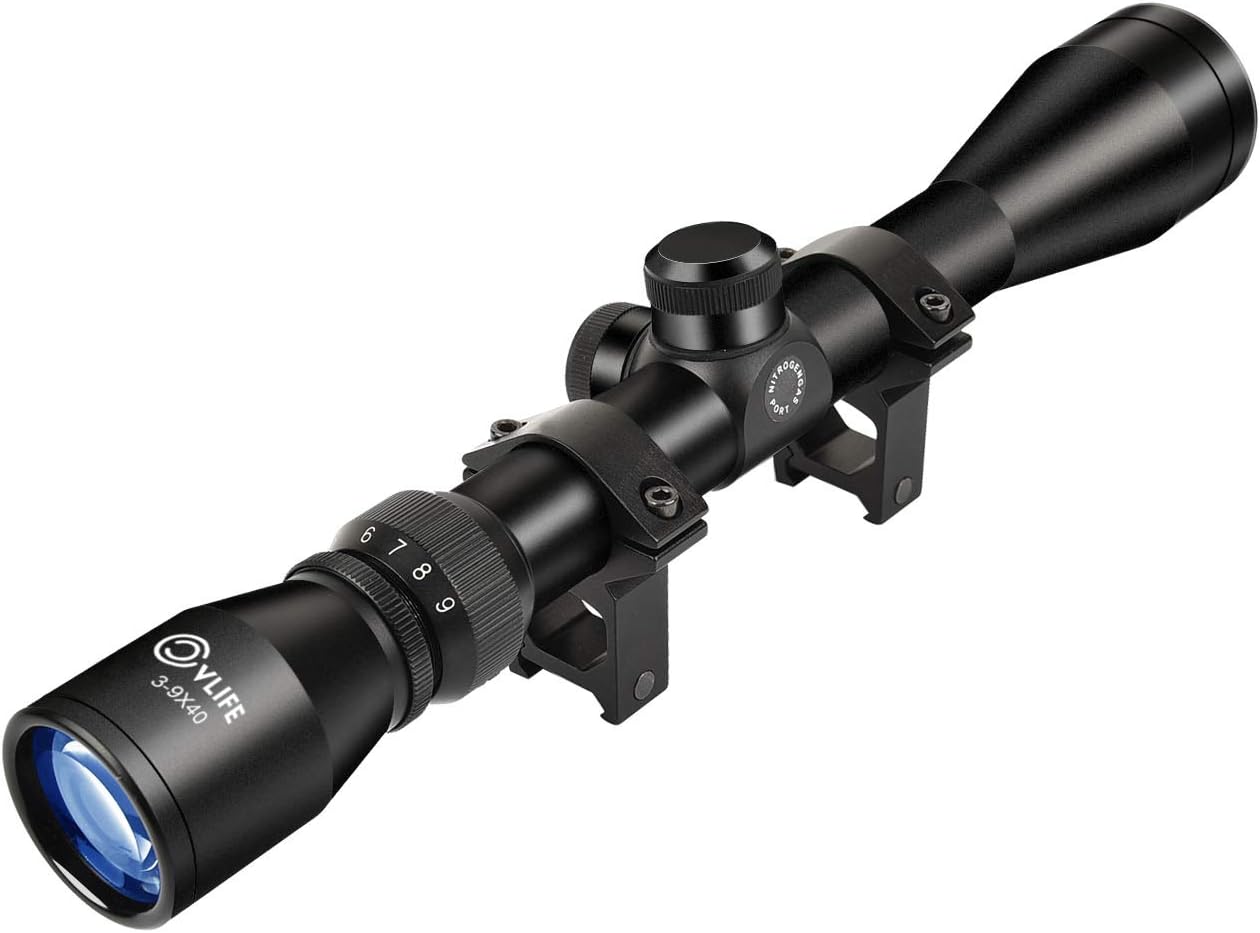
This is one of the cheapest scopes I’ve tested, mounted on a .22LR rifle for casual field shooting.
Product Specs:
- Magnification: 3-9x
- Objective: 40mm
- Reticle: Illuminated R4
- Tube: 1-inch
Pros:
- Extremely affordable
- Illuminated reticle
- Comes with mounts
Cons:
- Lower optical clarity
- Turrets feel mushy
Glass clarity is acceptable for the price but noticeably softer at higher magnification. Edge distortion is present, especially at 9x.
Eye relief is decent but slightly inconsistent. The eye box tightens at higher magnification, requiring careful positioning.
Durability is average. After about 200 rounds, I had to recheck zero, but it remained mostly stable.
Turrets lack tactile precision. Clicks feel vague, making fine adjustments difficult.
Magnification works for short to mid-range shooting. The illuminated reticle helps in low light but isn’t very bright in daylight.
Mounting is easy since rings are included, though I replaced them for better stability.
Personally, I see this as a starter scope. Online forums often recommend it for beginners or air rifles.
Verdict: Best ultra-budget choice for casual shooting.
👉 ➡️➡️➡️ Explore User Feedback and Current Pricing on Amazon
Vortex Crossfire II 3-9x40 (Dead-Hold BDC)
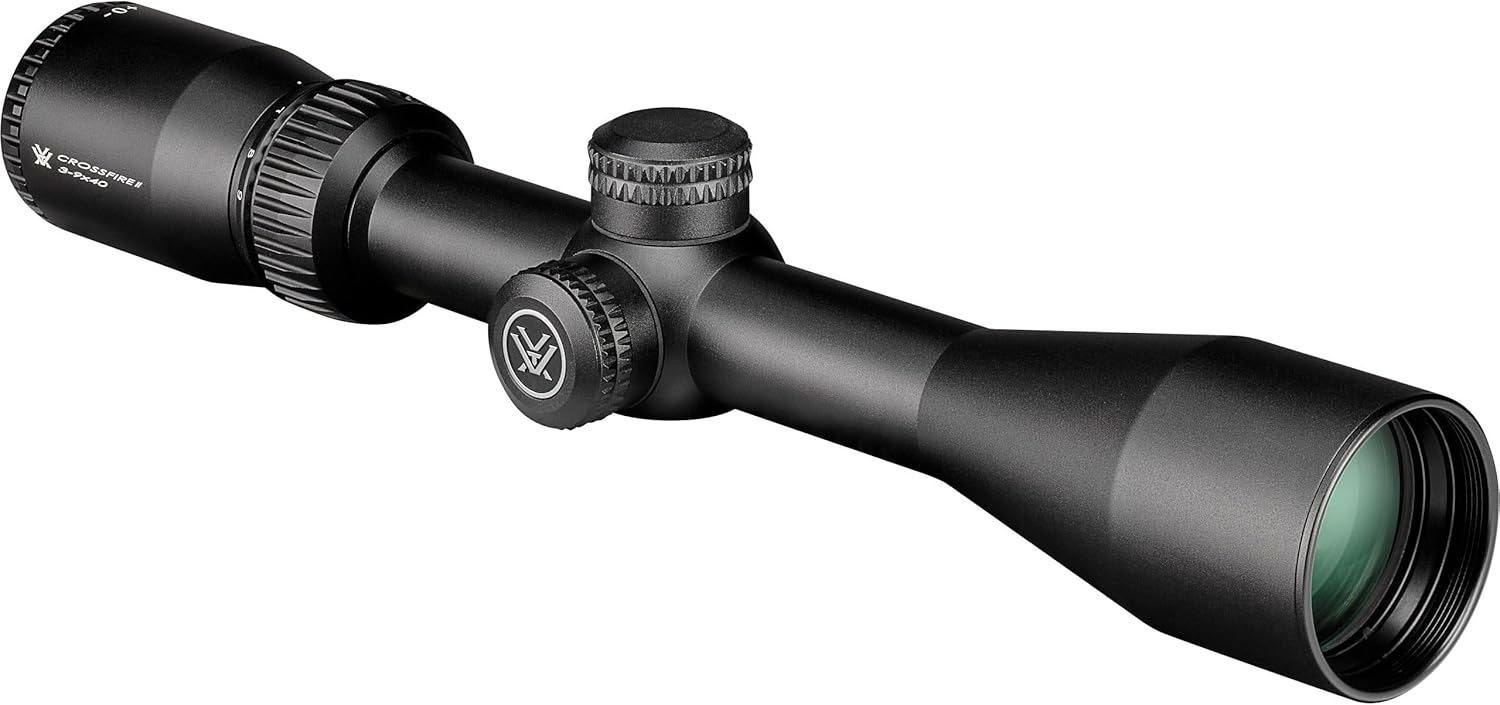
Mounted on my .308 bolt-action, this scope is my go-to for consistent field shooting.
Product Specs:
- Magnification: 3-9x
- Reticle: Dead-Hold BDC
- Tube: 1-inch
- Eye Relief: 3.8 inches
Pros:
- Excellent clarity
- Lifetime warranty
- Reliable tracking
Cons:
- No zero stop
- Basic turret design
Glass clarity is excellent for its price class. I observed minimal distortion and strong contrast even at longer distances.
Eye relief is generous and consistent, making it safe and comfortable with heavier recoil.
Durability is outstanding. After 400+ rounds, zero remained perfectly stable.
Turrets provide audible clicks. While capped, they are reliable for occasional adjustments.
Magnification suits 50–300m shooting. The BDC reticle helps with holdovers.
Mounting with standard rings was simple. No clearance issues.
From my experience, this scope punches above its price. Online users frequently praise its reliability and warranty.
Verdict: Best overall value scope for field shooting.
👉 ➡️➡️➡️ Explore User Feedback and Current Pricing on Amazon
Athlon Optics Talos 4-16x40
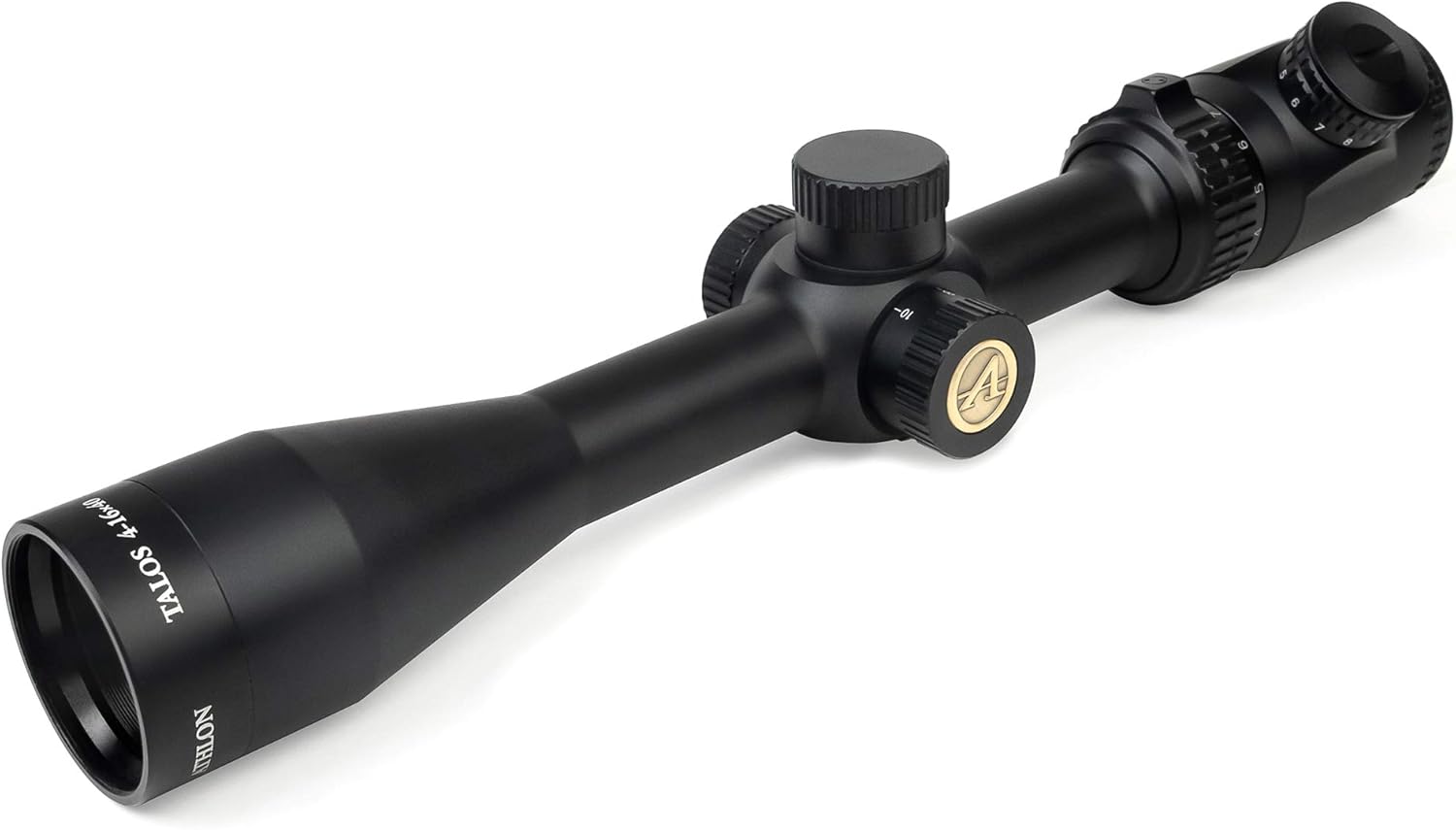
I tested this on an AR-15 platform using 5.56 NATO rounds for mid-range precision.
Product Specs:
- Magnification: 4-16x
- Objective: 40mm
- Reticle: BDC 600
- Tube: 1-inch
Pros:
- Higher magnification
- Good clarity
- Affordable
Cons:
- Slight edge distortion
- Heavier than others
Glass clarity is good, especially in the center. Some edge softness appears at higher magnification.
Eye relief is comfortable, though the eye box tightens at 16x.
Durability is solid. After 350 rounds, it maintained zero reliably.
Turrets are capped but offer decent tactile feedback.
Magnification range makes it great for 100–300m shooting. No parallax adjustment is a limitation.
Mounting was straightforward with 1-inch rings.
Personally, I found this ideal for stretching distances. Online reviews highlight its value for precision shooting.
Verdict: Best for shooters wanting more magnification on a budget.
👉 ➡️➡️➡️ Explore User Feedback and Current Pricing on Amazon
UTG 3-9x32 BugBuster AO
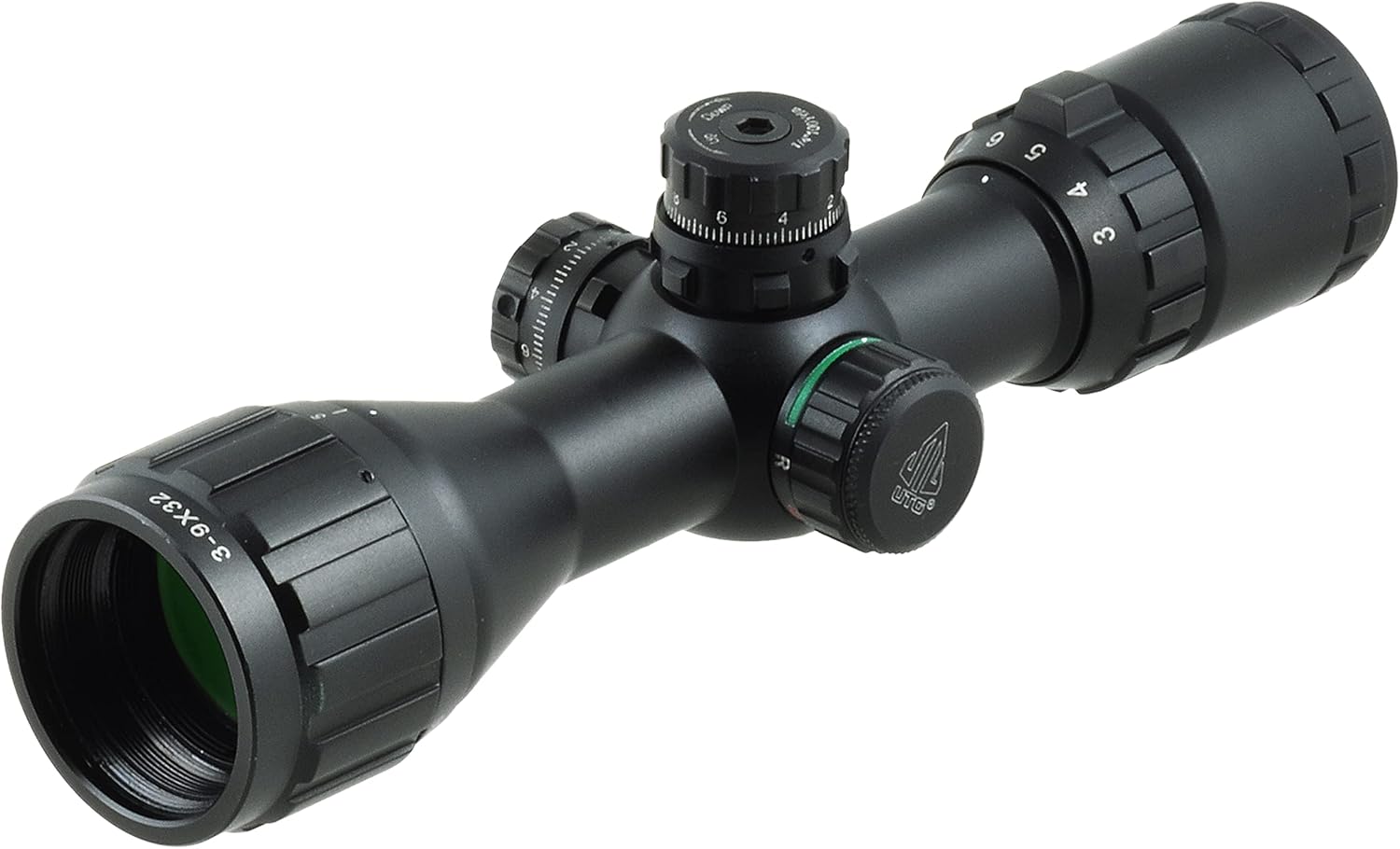
A compact scope I mounted on a PCP air rifle and later on a .22LR.
Product Specs:
- Magnification: 3-9x
- Objective: 32mm
- AO Parallax: Yes
- Tube: 1-inch
Pros:
- Compact design
- Adjustable parallax
- Durable
Cons:
- Smaller objective lens
- Slightly narrow field of view
Glass clarity is decent, though not as bright due to the smaller objective.
Eye relief is shorter but manageable. Eye box is forgiving at lower magnification.
Durability is excellent. It held zero after 300 rounds and rough handling.
Turrets are precise with audible clicks, better than most budget scopes.
Magnification combined with AO makes it versatile for close-range shooting.
Mounting is easy due to compact size.
From my experience, this scope shines on smaller rifles. Online users love its ruggedness.
Verdict: Best compact scope with parallax adjustment.
👉 ➡️➡️➡️ Explore User Feedback and Current Pricing on Amazon
Simmons .22 Mag 3-9x32 Rimfire
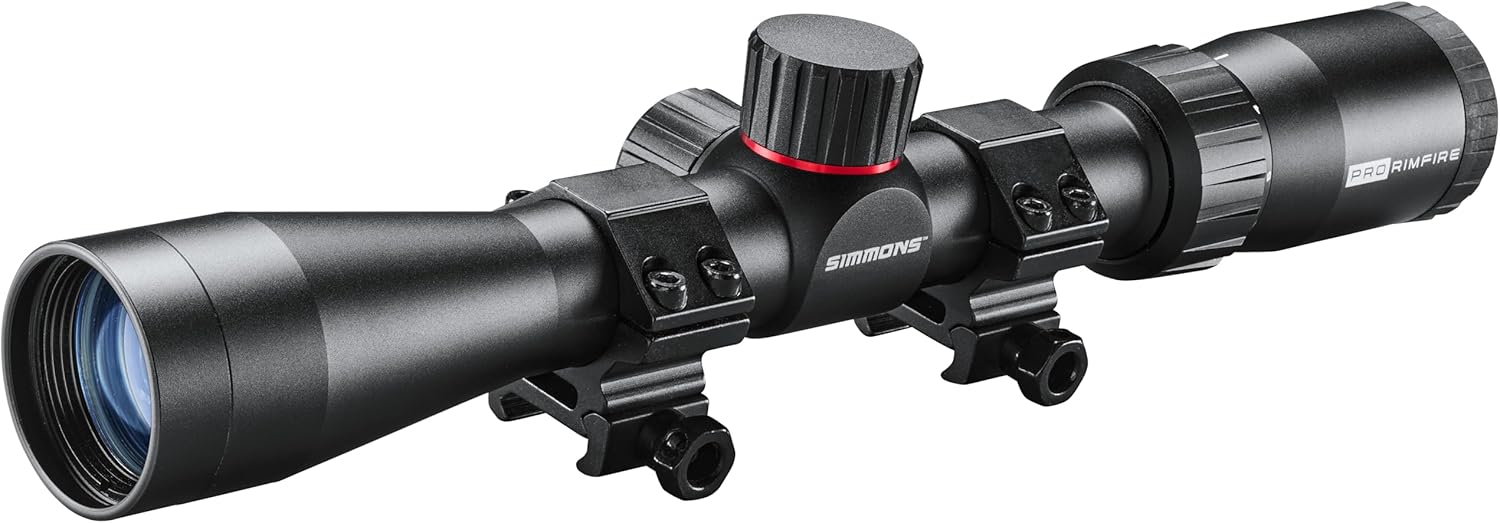
This scope is designed specifically for rimfire rifles, and I tested it on a .22LR platform.
Product Specs:
- Magnification: 3-9x
- Objective: 32mm
- Reticle: Truplex
- Tube: 1-inch
Pros:
- Very affordable
- Lightweight
- Simple design
Cons:
- Limited features
- Not ideal for long range
Glass clarity is decent for rimfire distances. No major distortion issues.
Eye relief is comfortable and consistent.
Durability is adequate for low-recoil rifles.
Turrets are basic but functional.
Magnification is perfect for 25–100m shooting.
Mounting is easy with included rings.
Personally, this is one of the easiest scopes to use for beginners. Online feedback consistently praises its value.
Verdict: Best for rimfire field shooting.
👉 ➡️➡️➡️ Explore User Feedback and Current Pricing on Amazon
How to Choose the Right Scope for This Pistol
Choosing the right scope for field shooting depends heavily on your shooting style, distance, and rifle platform. In my experience, the first thing to consider is magnification range. For most field shooting scenarios between 50 and 300 meters, a 3-9x or 4-16x scope is more than sufficient. Higher magnification sounds appealing, but it often reduces field of view and makes target acquisition slower.
Next, focus on glass quality. Even budget scopes can vary significantly in clarity. I always check for edge-to-edge sharpness and minimal chromatic aberration. A clear image helps you identify targets quickly and improves shot placement.
Turret quality is another key factor. If you plan to dial adjustments frequently, look for scopes with tactile and audible clicks. For casual shooting, capped turrets are usually enough.
Eye relief and eye box are often overlooked. A forgiving eye box makes a big difference when shooting from awkward positions in the field. I prefer scopes with at least 3.5 inches of eye relief.
Durability matters, especially if you shoot outdoors. Look for scopes that are waterproof, fog-proof, and shock-resistant. Even budget models today offer decent durability.
Finally, consider your rifle and ammunition. A .22LR setup doesn’t need the same scope as a .308 rifle. Match your optic to your firearm for the best results.
FAQs
1. What magnification is best for field shooting?
I recommend 3-9x or 4-16x for most field shooting scenarios. These ranges balance versatility and usability.
2. Are budget scopes reliable?
Yes, many budget scopes today offer excellent reliability, especially from brands like Vortex and Bushnell.
3. Do I need a first focal plane scope?
Not necessarily. For target shooting, SFP scopes are often simpler and more affordable.
4. How important is parallax adjustment?
It’s useful for precision shooting beyond 100 meters but not essential for casual shooting.
5. What is the Best Scope For Field Shooting for beginners?
The Vortex Crossfire II is my top recommendation due to its reliability and ease of use.
Conclusion
Choosing the Best Scope For Field Shooting comes down to balancing performance, durability, and price. After testing these scopes across different rifles and conditions, I can confidently say that you don’t need to spend a fortune to get reliable performance. Whether you’re a beginner or an experienced shooter, these budget-friendly options provide everything you need for accurate and enjoyable field shooting.